Pricing, offers and positioning
The short version
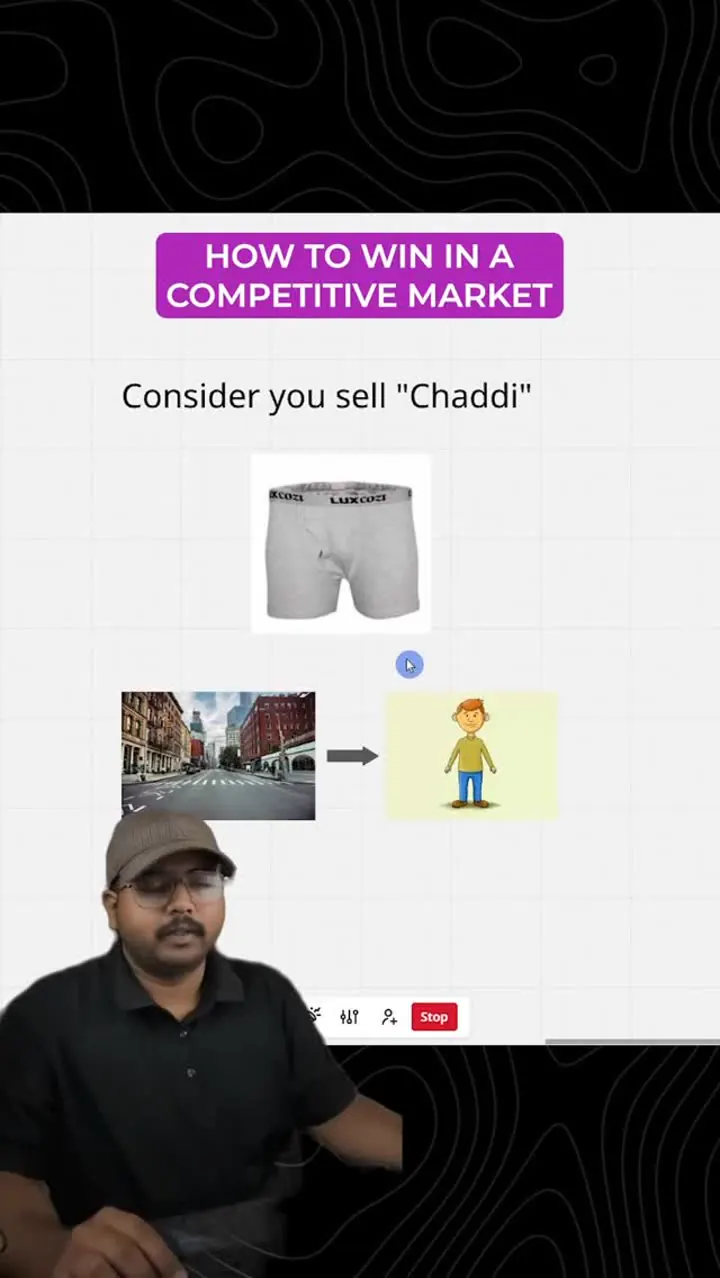
Know how saturated your market is
- Know how saturated your market is. Five levels: only seller (claim anything), bold claim plus unique mechanism, proof, guarantee plus extra offers, then brand (be remembered). Build every offer to compete at level 5.
@dhananjay.scale
Put a decoy next to your best seller
- Put a decoy next to your best seller. One extreme, rarely bought option gets attention and makes the normal option look like the smart choice (Tesla Rocket / Thrust $250,000 / Performance $50,000).
@decoyreport
Sell big tickets through a smaller paid first step, not a discount: a $3,000 strategic assessment before a $50,000...
- Sell big tickets through a smaller paid first step, not a discount: a $3,000 strategic assessment before a $50,000 project lets the buyer experience your thinking and lowers risk.
@gentlerainman
Show your price
- Show your price. Anchoring to your normal price in content filters for serious buyers; one creator selling $100,000 offers says transparency brings "respectable people".
@theguy
Do not defend price
- Do not defend price. On "I can get it cheaper", say "You probably can", stay silent, then ask questions so the buyer reasons back to value. It is usually a differentiation problem, not a price problem.
@theryankeip
Be the best or the cheapest, never the middle; sell to people who value expensive things; do it in half the time for...
- Be the best or the cheapest, never the middle; sell to people who value expensive things; do it in half the time for twice the price.
@hormozi
Premium price is earned by education and proof: native story-style customer proof, expert posts, Q&A creatives and...
- Premium price is earned by education and proof: native story-style customer proof, expert posts, Q&A creatives and founder-led ads let a supplement brand charge more.
@adsandcopy
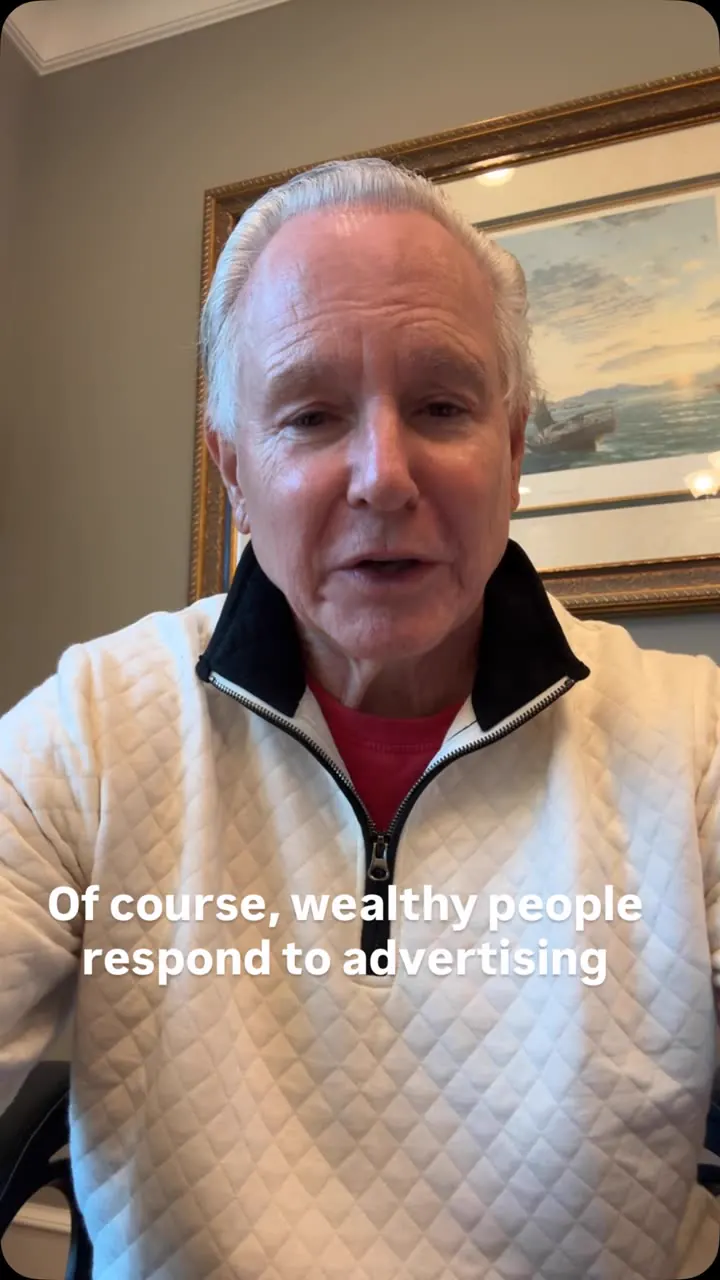
Affluent buyers respond to ads that sell a specific benefit, run in selective placements, and offer a next step
- Affluent buyers respond to ads that sell a specific benefit, run in selective placements, and offer a next step. Words like "exclusive" and "premium" signal the opposite.
@gentlerainman
In India, a flat 10% prepaid discount is an offer lever, not just a payment setting (44% prepaid on day one, small...
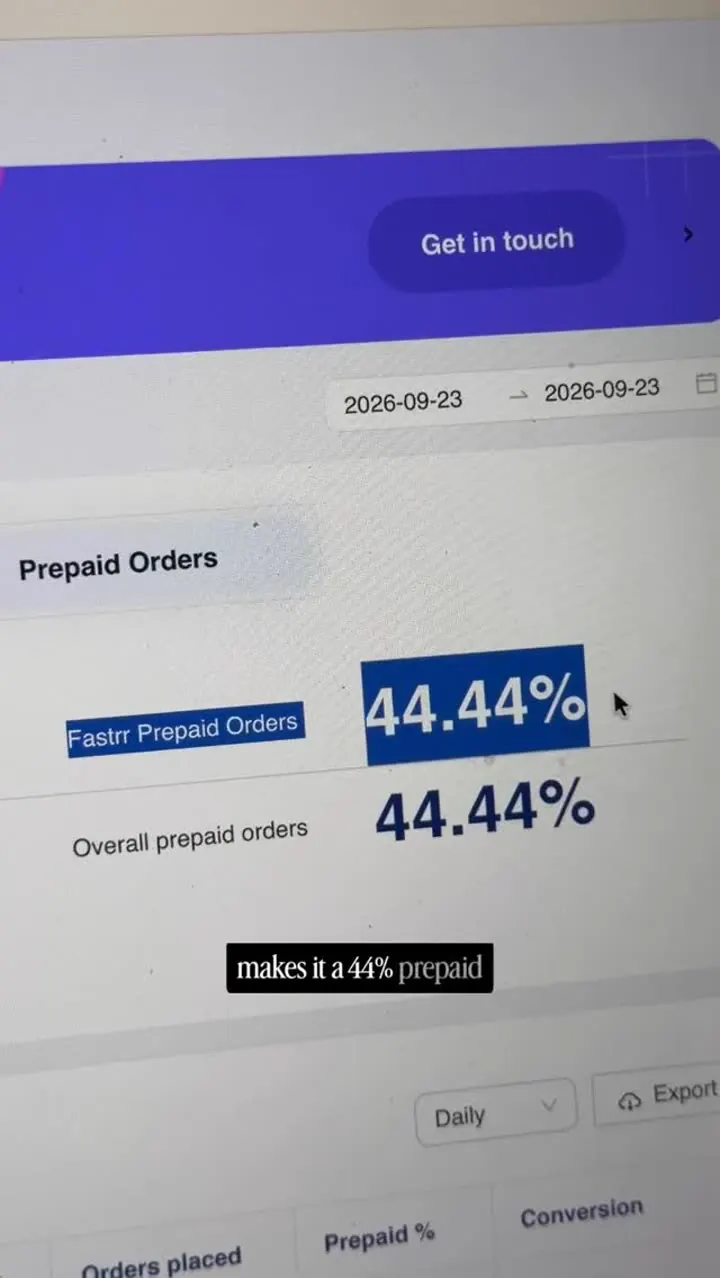
- In India, a flat 10% prepaid discount is an offer lever, not just a payment setting (44% prepaid on day one, small sample).
@ecomtushar
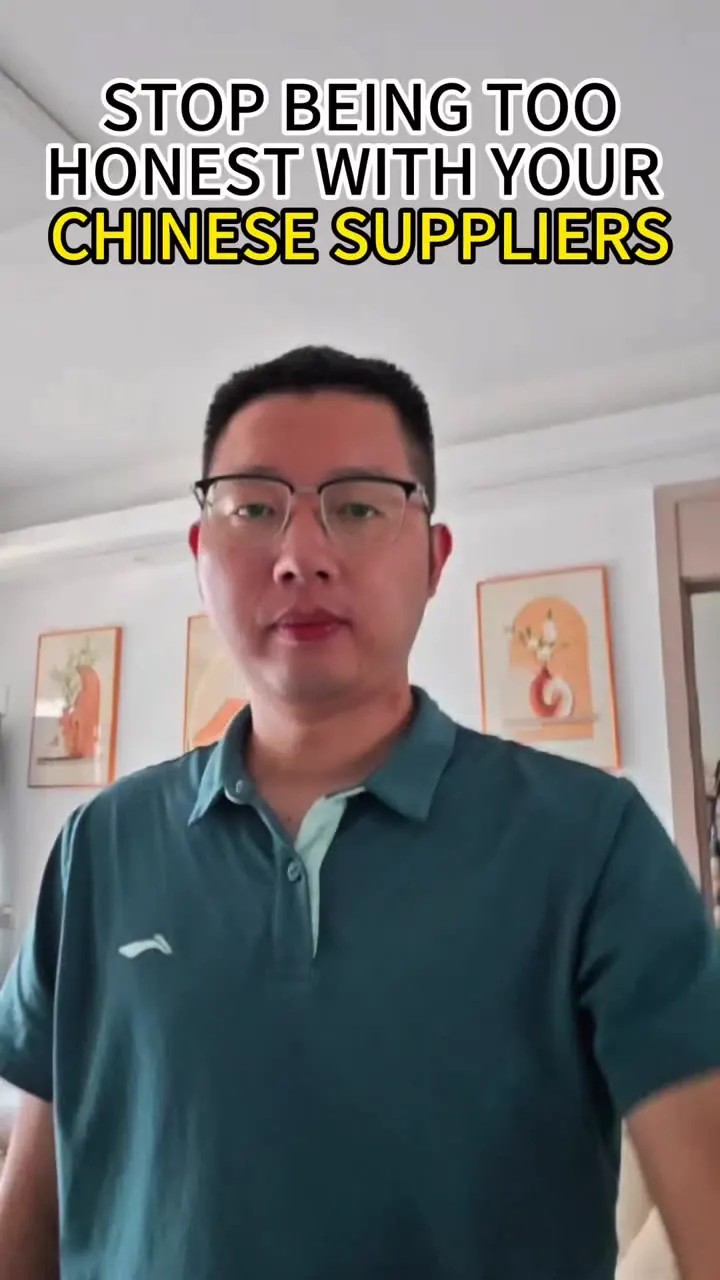
In negotiations, position instead of pleading: suppliers hear "trial order for a long-term partnership" not "I'm...
- In negotiations, position instead of pleading: suppliers hear "trial order for a long-term partnership" not "I'm small, give me a discount"; split good cop and bad cop roles to find the other side's floor.
@louischinasourcing8@joybaik.global
Full playbook
Market sophistication and positioning
- Level 1: you are the only seller ("only chaddi seller in the whole city"). Say anything, claim anything; people buy; caption says "sales explode even without any marketing".
@dhananjay.scale - Level 2: 20-25 competitors. Everyone claims elastic, long-lasting, no fading, cooling technology, comfort, "won't tear". You introduce new and unique mechanisms or features.
@dhananjay.scale - Level 3: far more competition, everyone has similar "unique" features. Lead with proof: "5,000 people bought my chaddis and had a great experience".
@dhananjay.scale - Level 4: everyone has proof. Give a guarantee (100% money back or replacement if it tears or fades within X time) and add extra offers (X% off, free gift).
@dhananjay.scale - Level 5, "Final Boss": total saturation, the market has heard every claim. Win by being remembered: branding, credibility, authority, relatability, marketing.
@dhananjay.scale - Rule: whenever you build an offer, operate at level 5. Viewer pushback: levels depend on audience; B2C is often pain-point driven; branding takes time and money at the start; "what if competitors are also at level 5?" (unanswered). Source is Eugene Schwartz's market sophistication idea, simplified and not credited; Schwartz's actual stages differ (guarantee is not a stage).
@dhananjay.scale - Be known for one thing. A personal brand is "what people think of when they hear your name". Pick a problem you have solved, become the person people think of for it, show face, mistakes and results, tell the story of what changed, repeat the same message, give people a way to get the result, turn it into an owned product (course, community, mentorship) and sell it. "If you don't sell something, you can't make money."
@samstoffel - Your biggest competitor is being unknown; get louder.
@hormozi - Premium through education: The Stack (supplements) uses native Instagram-story screenshots of customers ("Finally a brand that delivers what they say" with a Whoop screenshot: sleep 77%, recovery 92%, strain 0.4), relatable pain lines ("I can now save my sick leaves for actual plants" (sic, as shown)), a doctor's expert post (magnesium bisglycinate for deep sleep, glycine for REM, uses the product 6 months), an "ask me a question" sticker answer ("What makes your magnesium any better than others?" answered with chelated magnesium bisglycinate from a supplier with 100+ studies), and founder-led ads (including a study of 31 melatonin supplements with doses 83% below to 478% above label). Commenter: strong creatives educate enough that price matters less.
@adsandcopy - Creative format map shown in the same reel: BOFU (checkout mockup, countdown, offer-first banners, product image), MOFU (comment response, case studies, certification badges, educational, expert explainer, FAQs, how-to, podcast, social proof, text-heavy), TOFU (before and after, behind the scenes, memes, celebrity, billboard, event announcement, founder-led, phone-call mockup, news mockup, UGC testimonials).
@adsandcopy - Insinuation (from Robert Greene, 48 Laws of Power): instead of "we're better", hand the buyer the question to ask every competitor. Weak: "We communicate better than other lenders and we'll make sure you close on time." Strong: "When you're comparing lenders, ask every one of them: what specifically are you going to do to make sure I close on time and don't put my earnest money at risk?" You never criticised anyone; the buyer now judges everyone by your standard. Only works where you truly win on that standard.
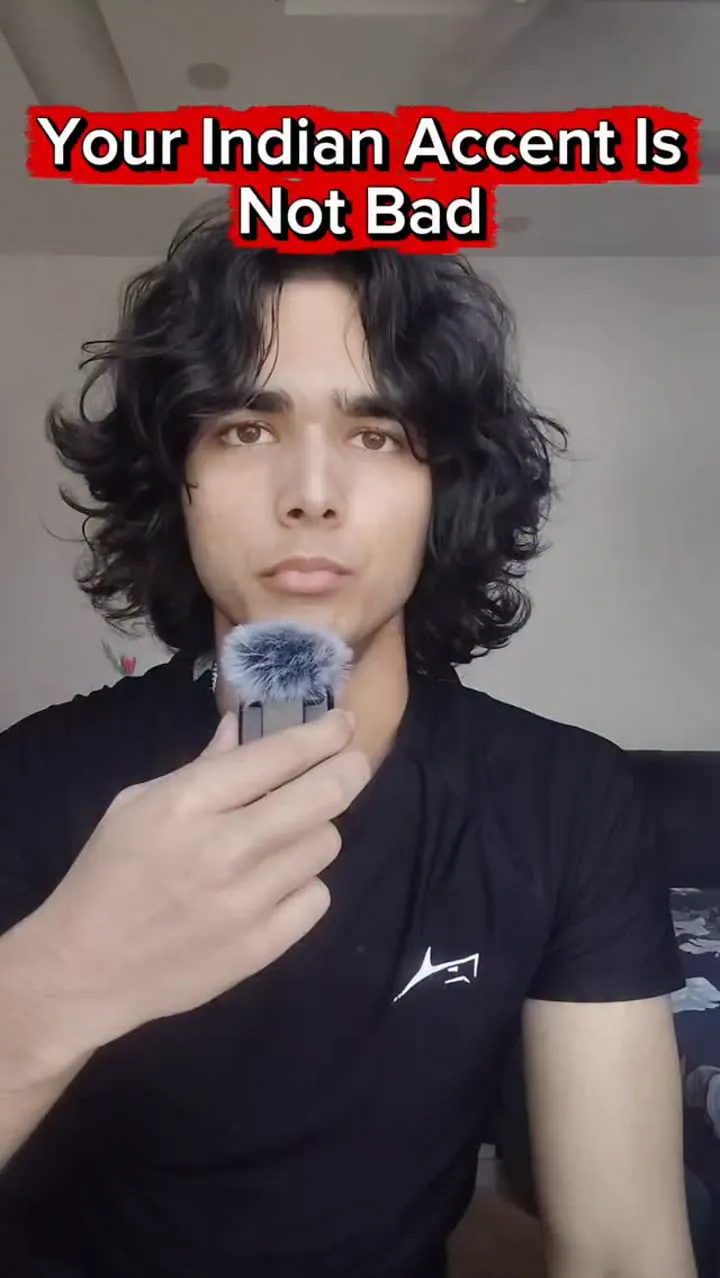
@amirsyed - Trust signals beyond the offer: for Indians selling to Western clients, a claim that a neutral/American accent raises perceived trust because of scam priors. The creator sells accent coaching. Proof (portfolio, testimonials, video calls) is the safer lever.
@accentcoachrahtish
Price architecture: decoys, anchors and charm prices
- Decoy: Tesla Roadster tiers. Rocket (flies): invite only, no price, owners about 0. Thrust: $250,000 reservation, limited. Performance (drives): $50,000 to reserve. The Rocket does two jobs: (1) it gets watched (millions saw a car float down a ramp; no ad buys that), (2) it moves the anchor so $50,000 sounds reasonable.
@decoyreport - Small-brand decoys: a $1,900 cake for 200 guests next to a $45 birthday cake and $4 cupcake; "VIP coaching by application only" next to $300 1:1 coaching ("smart choice") and a $49 group call. "Your best seller needs a show-off standing next to it." Ask: what is the show-off option in your industry?
@decoyreport - Price anchor in Stories: show what clients normally pay ("Clients pay me $10k - $100k to grow their account") then give the lead magnet for $1.
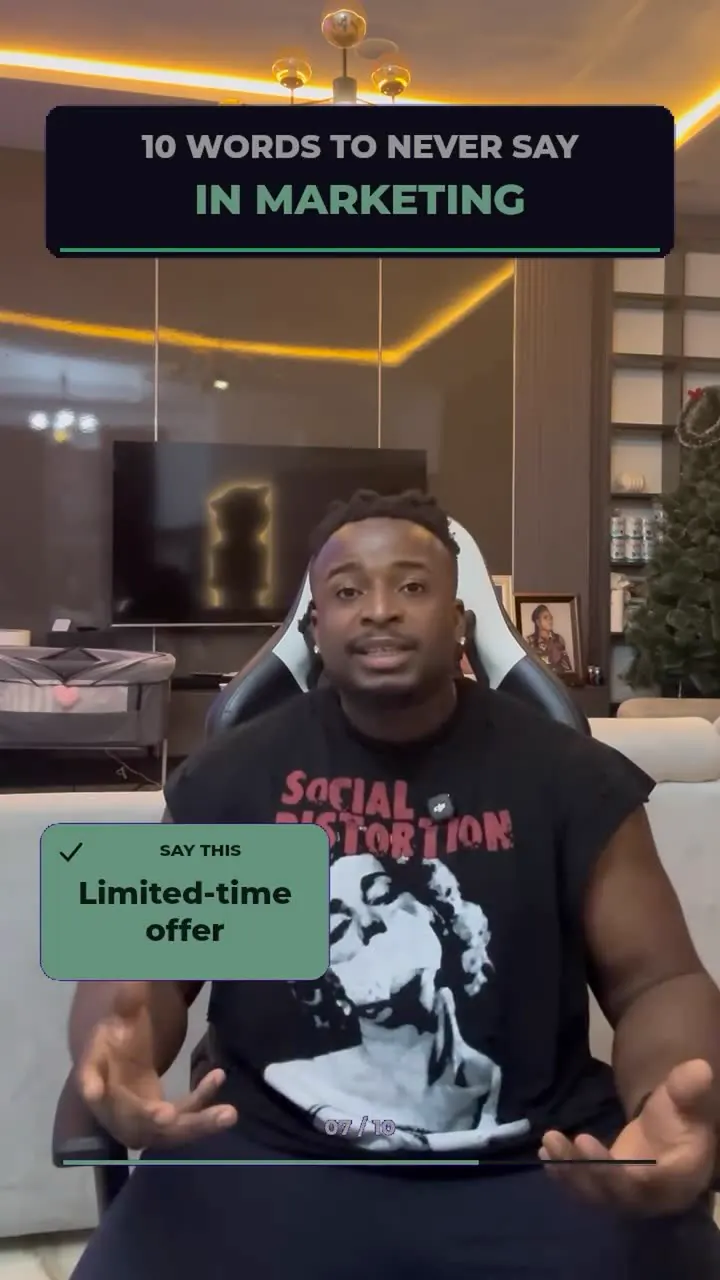
@theguy - Charm pricing and word swaps (no evidence given): "$1,000" -> "$999"; "cheaper" -> "affordable"; "discount" -> "limited time offer"; "buy now" -> "get started"; "sales call" -> "strategy session"; "course" -> "system"; "features" -> "benefits"; "I think" -> "I'm certain"; "accepting clients" -> "3 spots left"; "enrollment open" -> "enrollment closing soon".
@samkul773 - Prepaid discount as an offer: flat 10% off for prepaid in a cash-sensitive market; buyers feel obligated to the cheaper channel. Announcement bar also says free shipping on all orders.
@ecomtushar - Subscription discount framed as a refund on the post-purchase page ($16 of a $65 order, $64.99 vs $48.75, 25% off, 4:59 timer). Clever framing; misleading and risky (see Retention, email, WhatsApp, CRM).
@wellcopymax - Be the best or the cheapest, not in the middle; sell expensive things to people who value them rather than cheapening yourself for people who don't; do what others do in half the time for twice the price.
@hormozi
High-ticket offers and the first step
- To go from $5,000 to $50,000 clients, don't pitch the $50,000 engagement first. Sell a smaller paid engagement, e.g. a $3,000 strategic assessment: examine the business, find overlooked opportunities, present a few specific recommendations. The prospect sees how you think and the quality of your advice; perceived risk drops. Not a discount, a smaller first step. Comments: "a ladder to make them trust more" (312 likes), "pilot program" in B2B. Whether the fee credits toward the big project is not said.
@gentlerainman - Selling to affluent buyers with ads: they do use Google, video and publications. Mistake: general ads plus luxury photos plus "exclusive/premium". Three rules: (1) be selective about placements, a small qualified audience beats thousands of non-buyers; (2) advertise a specific benefit, not credentials; (3) don't sell in the ad, offer a next step (a useful guide, a short video on a specific concern, an invitation to learn your approach). They will research you after the ad, so site and reputation must match. Top comment: "Wealthy people don't ignore advertising; they ignore advertising that doesn't speak to them." Another: "If anything says premium or exclusive, it's neither." A car-ads specialist claims 8+ Volvos and 5 Porsches sold in a month from Facebook ads.
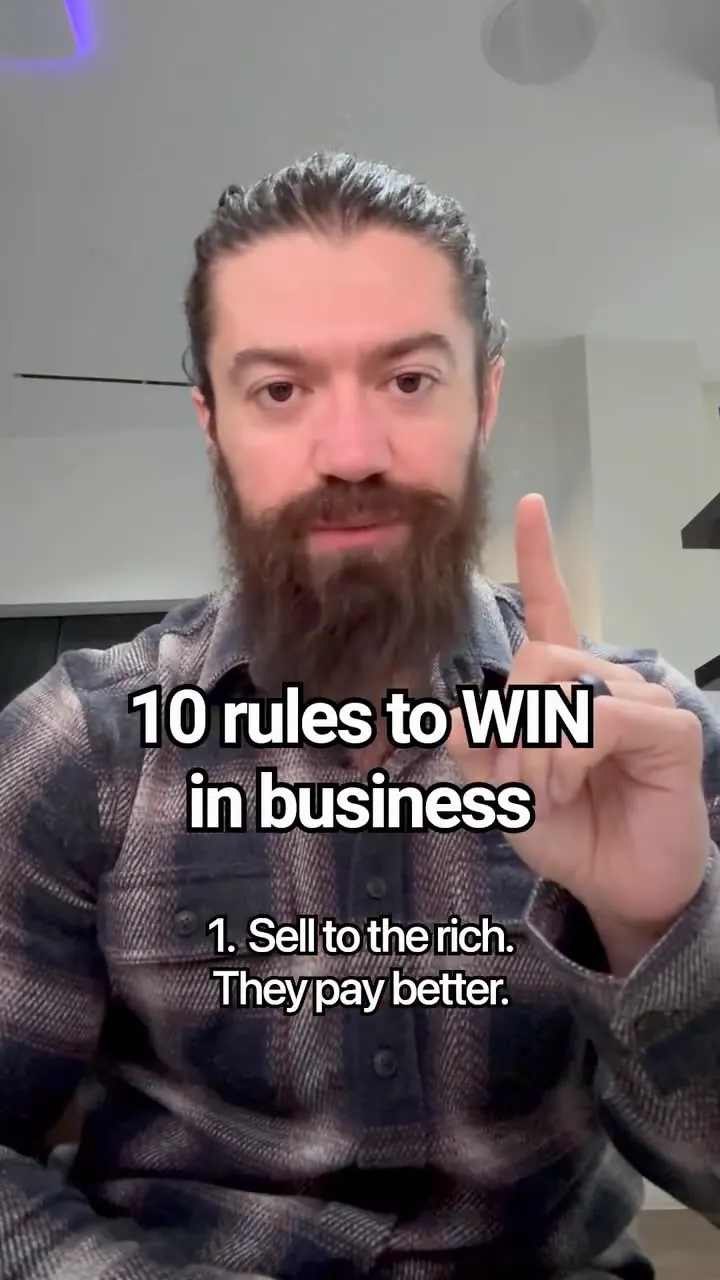
@gentlerainman - Sell to the rich, they pay better.
@hormozi - Qualify by size and sell only above a threshold: Acquisition.com's quiz routes under $250k revenue to a free roadmap and nurture, over $250k to a book-a-call page. Everyone gets value; only the right ones get sold. Threshold reason: they can sell workshops/consulting now to bigger firms and may acquire some in 3-10 years.
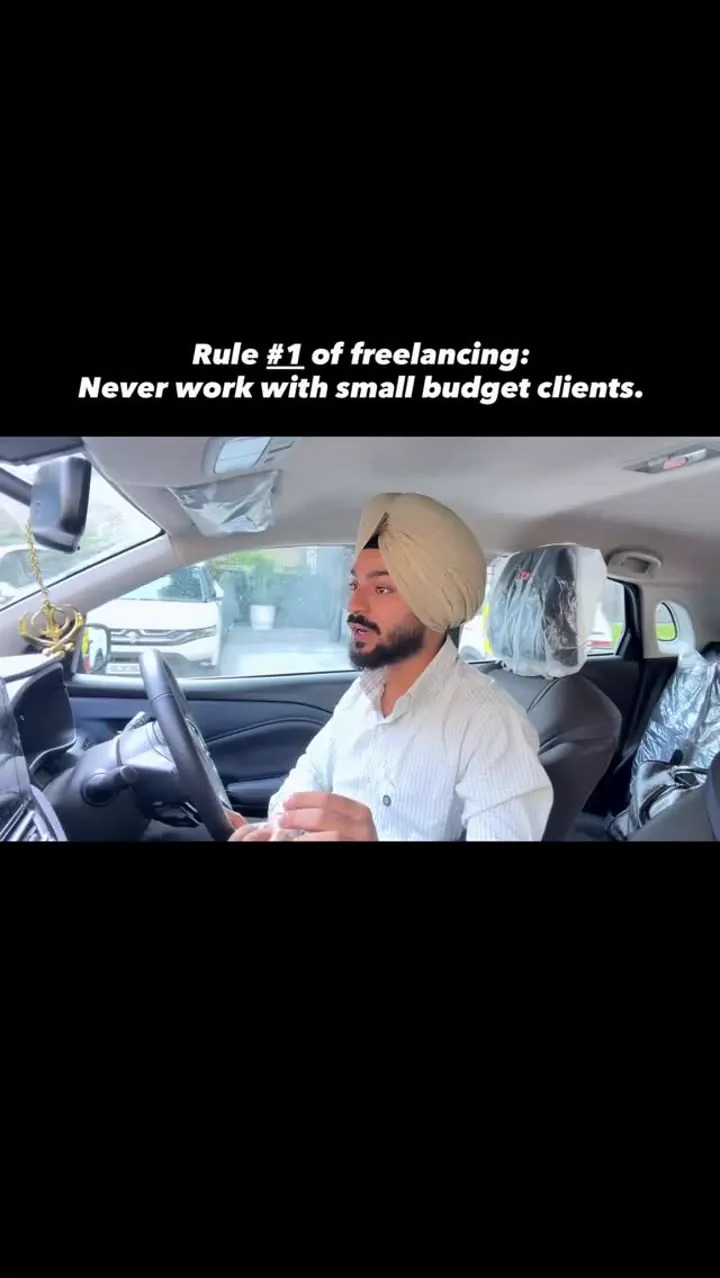
@kailodebiz - Small-budget clients: "Rule #1 of freelancing: never work with small budget clients"; the smallest budget brings the most trouble. Transcript garbled, low confidence. Peer comments: "you have to do it at times but you shouldn't".
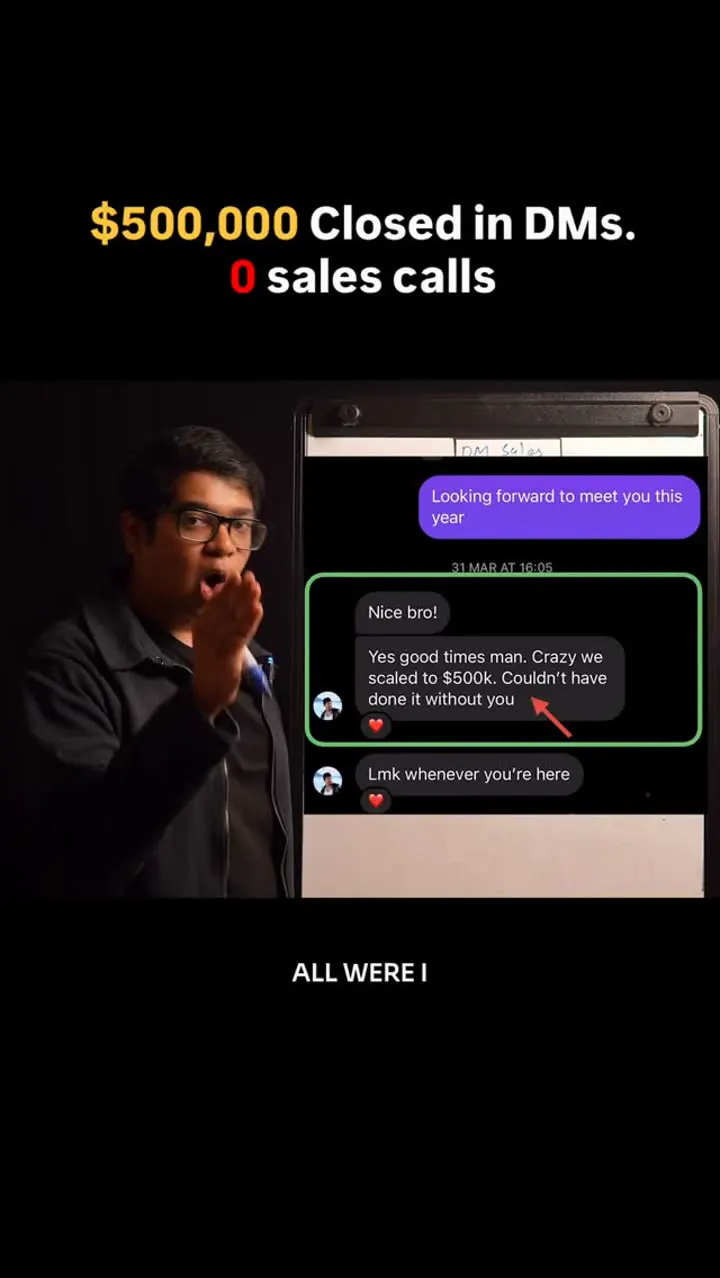
@arshdeep_sohal - DM-closed high-ticket offers: claimed $500K+ closed in DMs for one client with no phone closers, using DM psychology, deep offer knowledge and DM infrastructure.
@highonsetting
Lead magnets with a price
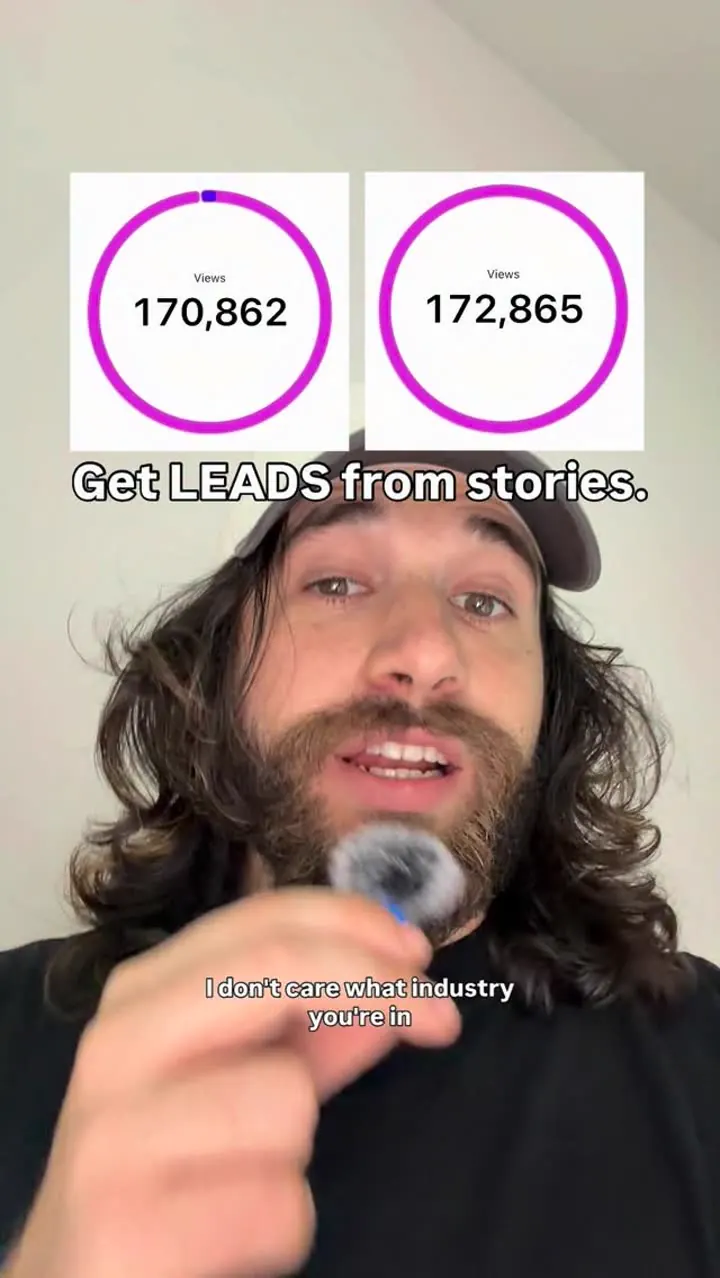
- 3-step Story: (1) frame it as rare ("This is by far the craziest thing I've ever done"); (2) price anchor at your normal price; (3) give something away and make people reply to the Story to get it. His example: "90+ hours of training material only for the first 100 people to swipe up. Reply '1 dollar' for the link." He gave 118 hours of coaching calls for $1 (could be free). Shown Story views 170,862 and 172,865; no lead counts. Lead magnet must be truly valuable. One commenter never received the email.
@theguy - Price discovery by free beta: a page from zero followers on 1 July made Rs 5,74,000 from brand deals in 76 days (first deal under 5,000 followers). He packaged pitching, pricing, negotiation, usage rights, exclusivity, payment terms and "what are your commercials?" answers into a playbook, did not know if it was worth Rs 500 or Rs 5,000, gave free copies to commenters (comment PLAYBOOK, 4,341 comments) to ask what it's worth, then launched paid with "first 30 at a price we'll never do again".
@vyre.less
Handling price objections
- "I can get it cheaper somewhere else" is a gift: it signals they see no difference, not that you are too expensive. Most salespeople defend price, explain value or offer unrequested discounts.
@theryankeip - Script:
- "You probably can." Then stay silent.
- "When you say cheaper, are we talking about getting the same result or just paying a lower price?"
- "What have you seen from the other company that gives you confidence you'll get the same result?"
- Only if they said it earlier: "Earlier you mentioned that getting this problem solved correctly was more important than simply finding the cheapest option. Is that still how you feel?"
- "Based on everything we've discussed, which option gives you the most confidence you're going to get the result you're looking for?" Then let them think.
@theryankeip
- Principle: self-persuasion; people commit to conclusions they reach themselves. Honesty clause: if two companies deliver the same outcome, service and reliability, take the cheaper. "The most expensive solution isn't always the highest price; sometimes it's the one you have to buy twice."
@theryankeip - Comment scripts added: "If I match their price, would you choose us? Why?"; "If both prices were the same, who would you choose?"; "So what stopped you from buying that one?". One commenter: "I said 'you probably can'. They said thx and went with the cheaper offer." Creator: "good, you didn't want them anyway". Trust comes from discovery, not closing.
@theryankeip - Discovery question for "that's impossible": "Help me understand. Is it the price that's impossible? Or the payment terms? Or the delivery schedule?"
@joybaik.global
Negotiation with suppliers and partners
- Don't lie, but don't show weak points. Three swaps:
- Not "I just started my business" but "We are checking suppliers for a long-term business partnership."
- Not "I don't have a big budget" but "We compare suppliers on price, quality, and stable supply."
- Not "Can you give me a discount?" but "Please offer your best price for this trial order. If it works well, we can place big orders later."
- "Same buyer, same budget, different position." You are testing the supplier with the first order.
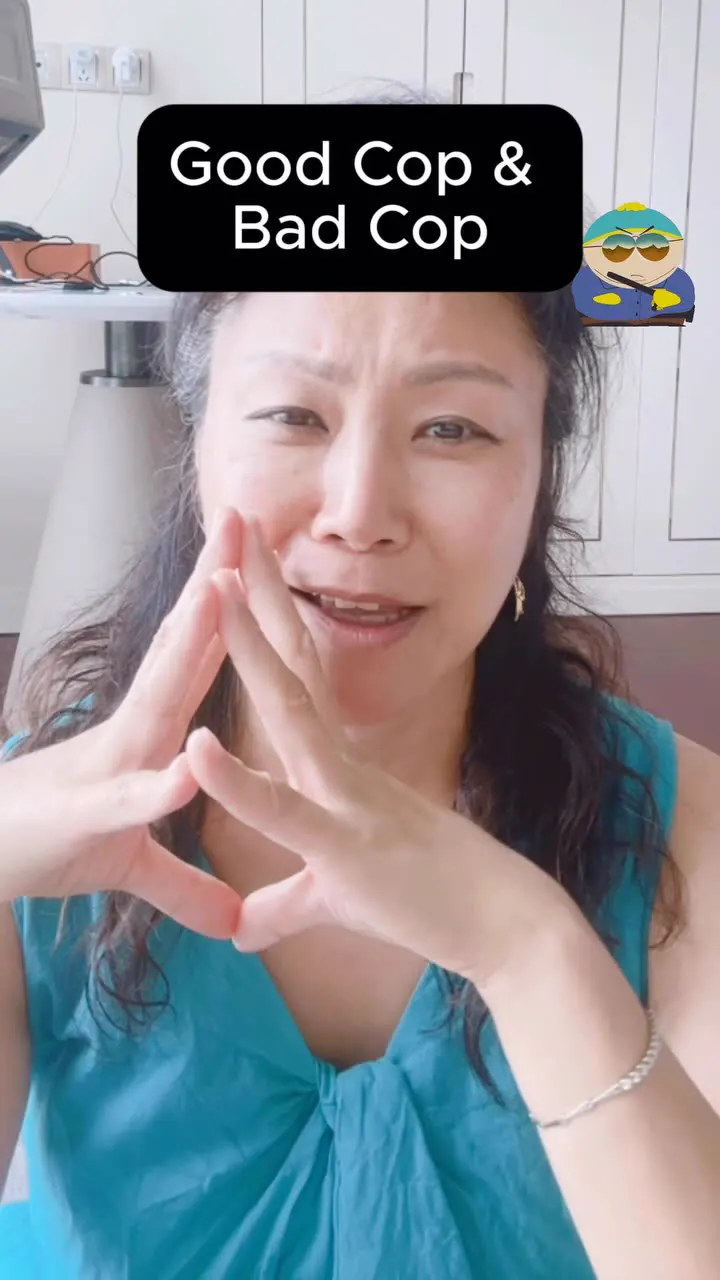
@louischinasourcing8 - Good cop / bad cop: the CFO goes alone to the first meeting and pushes every term (price, MOQ, payment terms, marketing support, exclusivity, shipping schedule) to find the real limit. When they say "if this is your final position, maybe we shouldn't continue", she has found the floor. In the second meeting the CEO comes alone, blames the CFO's focus on cash flow, says long-term relationships matter more, and settles slightly above the floor. "Negotiation isn't about talking. It's choreography." Two good cops lose margin; two bad cops lose the relationship. Practitioner comments confirm it; others call it manipulation and say it fails against sophisticated buyers or on commodities where the lowest price wins.
@joybaik.global - Creator deal terms to know (from the brand-deal playbook): pricing with a small following, usage rights, exclusivity, payment terms.
@vyre.less
Frameworks and templates
Market sophistication ladder
Market sophistication ladder @dhananjay.scale
Table
| Level | Market state | What wins |
|---|---|---|
| 1 | Only seller | Any claim |
| 2 | 20-25 competitors | Bold claim + unique mechanism/feature |
| 3 | Everyone has "unique" features | Proof (numbers of happy customers, reviews) |
| 4 | Everyone has proof | Guarantee + extra offers (discount, free gift) |
| 5 | Saturated | Brand: memory, credibility, authority, relatability |
Use: place your category, then make sure you show the lower-level items as table stakes and compete on the next level up
Use: place your category, then make sure you show the lower-level items as table stakes and compete on the next level up.
Decoy pricing
Decoy pricing @decoyreport
Best seller (target) + cheaper entry option + one extreme "show-off" option that few buy. The show-off is content and an anchor.
Paid first step
Paid first step @gentlerainman
Big engagement price P. Entry offer about 5-10% of P (example $3,000 vs $50,000), fixed scope: review, find opportunities, present specific recommendations. Decide upfront whether it credits toward P.
Affluent ad checklist
Affluent ad checklist @gentlerainman
Selective placement. One specific benefit. No "exclusive/premium" words. CTA is a next step (guide, short video, invitation), not a purchase. Site and reputation ready for research.
Price objection script
Price objection script @theryankeip
"You probably can." (silence) -> same result or lower price? -> what gives you confidence they'll deliver the same result? -> recall their stated priority -> which option gives you most confidence?
Supplier positioning lines
Supplier positioning lines @louischinasourcing8
"We are checking suppliers for a long-term business partnership." / "We compare suppliers on price, quality, and stable supply." / "Please offer your best price for this trial order. If it works well, we can place big orders later."
Two-meeting negotiation
Two-meeting negotiation @joybaik.global
Meeting 1 (finance lead alone): push all terms, ask "is it price, payment terms or delivery?", stop at their stated walk-away. Meeting 2 (founder alone): acknowledge the push, stress relationship, close just above the floor.
3-step lead Story
3-step lead Story @theguy
Rare framing -> normal price anchor -> giveaway (free or token price) claimed by replying a keyword to the Story, with "first 100" limit.
10 word swaps
10 word swaps @samkul773
I think -> I'm certain. Accepting clients -> 3 spots left. $1,000 -> $999. Cheaper -> Affordable. Enrollment open -> Enrollment closing soon. Buy now -> Get started. Discount -> Limited time offer. Sales call -> Strategy session. Course -> System. Features -> Benefits. (Test, do not assume.)
Hormozi's 10 rules
Hormozi's 10 rules @hormozi
Sell to the rich, they pay better
- Sell to the rich, they pay better. 2. Do what others do in half the time for twice the price. 3. Have higher standards than your customers. 4. Pay better people better so you need fewer. 5. Speed is the unifying principle. 6. Talk to customers more. 7. Iterate the same thing a thousand times. 8. Your biggest competitor is being unknown, get louder. 9. Be the best or the cheapest, never the middle. 10. Do so much work it would be unreasonable not to succeed.
Personal brand to product
Personal brand to product @samstoffel
Pick a solved problem -> be the go-to for it -> show face, mistakes, results -> tell what changed -> repeat one message -> show how to get the result -> owned product -> sell.
Insinuation line template
Insinuation line template @amirsyed
"When you're comparing [category], ask every one of them: [the specific question your process answers best]."
Price-discovery beta
Price-discovery beta @vyre.less
Big-number proof hook -> "I don't know if this is worth Rs 500 or Rs 5,000" -> free copies for commenters -> collect value feedback -> paid launch with an early-bird cap (first 30).
Quiz threshold routing
Quiz threshold routing @kailodebiz
Ask size questions last (headcount, revenue, budget). Under threshold: value path. Over threshold: book a call.
Tools, links and resources
Tools, links and resources
| Tool or resource | What it does | Where mentioned | Link or how to get it | Caveats |
|---|---|---|---|---|
| Eugene Schwartz, "Breakthrough Advertising" | Original market sophistication source | @dhananjay.scale (inferred, not named) |
Book | Reel version is simplified |
| Robert Greene, "The 48 Laws of Power" | Source of the insinuation idea | @amirsyed |
Book | |
| The Velvet Rope Playbook podcast | Mark Satterfield on affluent clients | @gentlerainman |
Comment PODCAST on his reels | |
| getwealthyclients.com | Satterfield's books, programs | @gentlerainman, @gentlerainman |
https://www.getwealthyclients.com | His sales funnel |
| Acquisition.com roadmap quiz | Revenue-threshold qualifier | @kailodebiz, @hormozi |
acquisition.com/roadmap; comment WIN on Hormozi reel | Collects phone and address |
| The Stack (@thestack_club) | Supplement brand example of premium via education | @adsandcopy |
Instagram / Meta Ad Library | No performance data |
| Founder-led ads guide | Gated resource | @adsandcopy |
Comment "founder" | Unknown content |
| Brand-deal playbook | Pricing, pitching, usage rights | @vyre.less |
Comment PLAYBOOK / paid launch | Unverified earnings |
| Rokt Aftersell | Post-purchase subscription offer | @wellcopymax |
demo.aftersell.com | Refund framing risk |
| Fastrr | Prepaid vs COD tracking | @ecomtushar |
Shiprocket | |
| "Systems" doc | DM sales framework | @highonsetting |
DM "Systems" | Unverified |
| Sales training | Gated | @samkul773 |
Comment SALES | Unknown |
| $50M Social Blueprint | Gated personal brand guide | @samstoffel |
Comment COACH | Wealth-flex funnel |
Hooks and lines worth stealing
"Okay, suppose you sell chaddi and you are the only chaddi seller in the whole city
- "Okay, suppose you sell chaddi and you are the only chaddi seller in the whole city. This is market sophistication Level 1."
@dhananjay.scale
"HOW TO WIN IN A COMPETITIVE MARKET"
- "HOW TO WIN IN A COMPETITIVE MARKET"
@dhananjay.scale
"Don't be too honest with your Chinese suppliers
- "Don't be too honest with your Chinese suppliers. Yes, I really mean it."
@louischinasourcing8
"Same buyer, same budget, different position."
- "Same buyer, same budget, different position."
@louischinasourcing8
"Tesla's flying car isn't for sale
- "Tesla's flying car isn't for sale. It's there to sell the one that drives."
@decoyreport
"Your best seller needs a show-off standing next to it."
- "Your best seller needs a show-off standing next to it."
@decoyreport
"How do you convince someone to pay you $50,000 when the most you've ever charged is $5,000?"
- "How do you convince someone to pay you $50,000 when the most you've ever charged is $5,000?"
@gentlerainman
"I intentionally kept my CEO out of the first meeting."
- "I intentionally kept my CEO out of the first meeting."
@joybaik.global
"Negotiation isn't about talking
- "Negotiation isn't about talking. It's choreography."
@joybaik.global
"Help me understand
- "Help me understand. Is it the price that's impossible? Or the payment terms? Or the delivery schedule?"
@joybaik.global
"If a prospect tells you they can get it cheaper somewhere else, congratulations."
- "If a prospect tells you they can get it cheaper somewhere else, congratulations."
@theryankeip
"You probably can."
- "You probably can."
@theryankeip
"The most expensive solution isn't always the highest price; sometimes it's the one you have to buy twice."
- "The most expensive solution isn't always the highest price; sometimes it's the one you have to buy twice."
@theryankeip
"Whoever started the rumor that wealthy people don't respond to advertising apparently forgot to tell the luxury...
- "Whoever started the rumor that wealthy people don't respond to advertising apparently forgot to tell the luxury automobile companies..."
@gentlerainman
"Sell to the rich, they pay better."
- "Sell to the rich, they pay better."
@hormozi
"You can be the best or the cheapest, you just can't be in the middle."
- "You can be the best or the cheapest, you just can't be in the middle."
@hormozi
"Your biggest competitor is being unknown."
- "Your biggest competitor is being unknown."
@hormozi
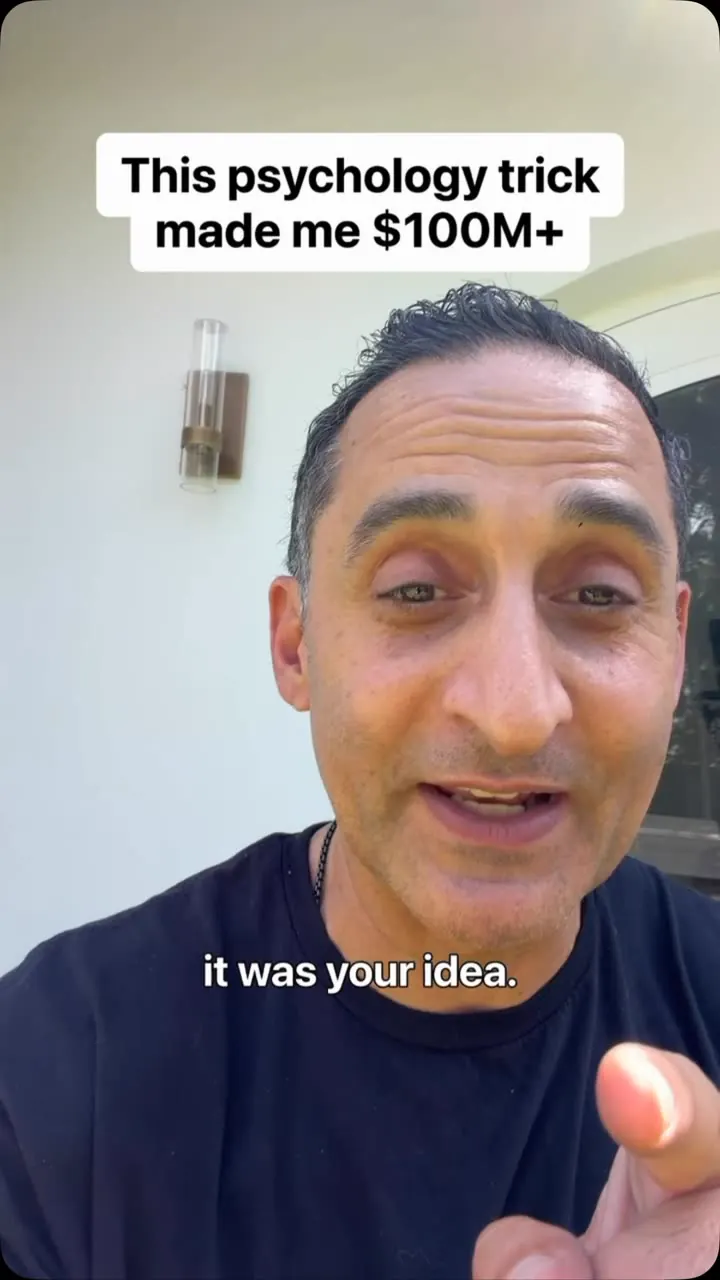
"The best salespeople know how to put an idea in your head and make you believe it was your idea."
- "The best salespeople know how to put an idea in your head and make you believe it was your idea."
@amirsyed
"I don't care what industry you're in, if you follow this story format, you will get the most leads you have ever...
- "I don't care what industry you're in, if you follow this story format, you will get the most leads you have ever gotten from an Instagram story."
@theguy
"When you're transparent, respectable people start buying."
- "When you're transparent, respectable people start buying."
@theguy
"This is how much money this page has made in the last 76 days from brand deals alone."
- "This is how much money this page has made in the last 76 days from brand deals alone."
@vyre.less
"Stop chasing followers
- "Stop chasing followers. You don't need followers. You need customers."
@samstoffel
"10 WORDS TO NEVER SAY IN MARKETING"
- "10 WORDS TO NEVER SAY IN MARKETING"
@samkul773
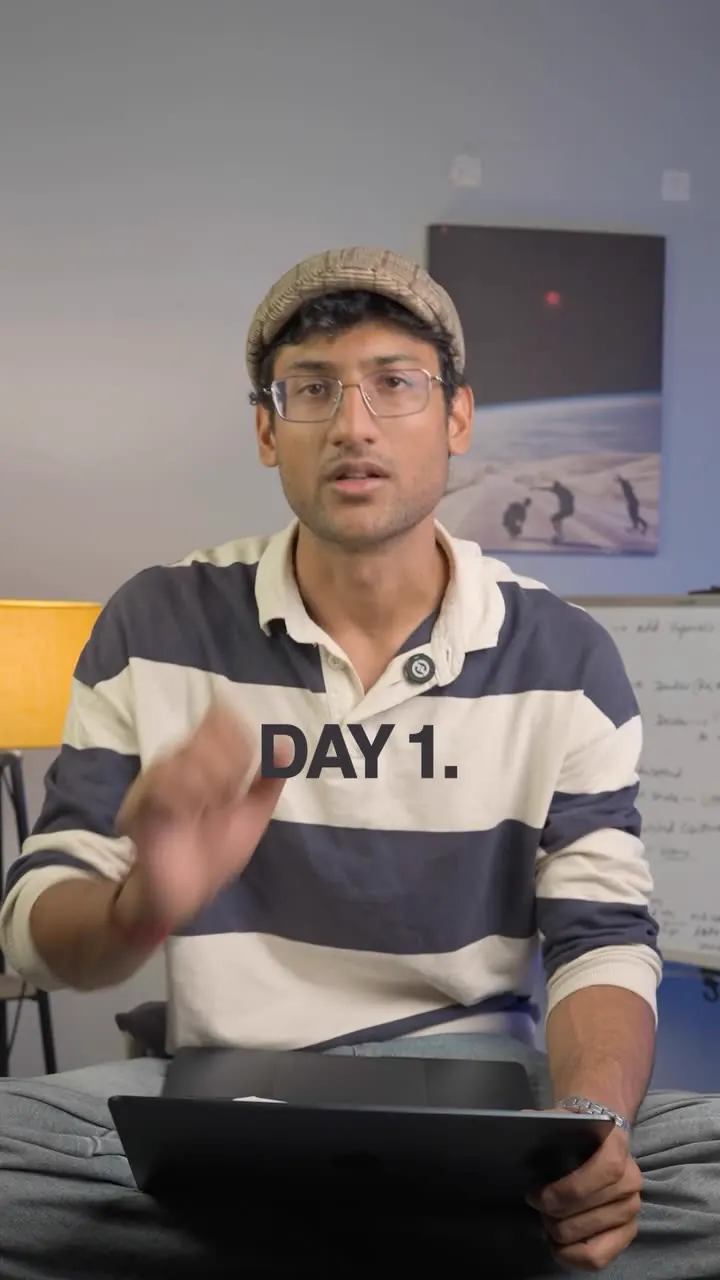
"Finding brands that are doing crazy in Meta ads creatives, day 1."
- "Finding brands that are doing crazy in Meta ads creatives, day 1."
@adsandcopy
"Rule #1 of freelancing: Never work with small budget clients."
- "Rule #1 of freelancing: Never work with small budget clients."
@arshdeep_sohal
Contradictions and doubts
Word swaps contradict each other: "discount" -> "limited time offer" is still a discount; "3 spots left" and...
- Word swaps contradict each other: "discount" -> "limited time offer" is still a discount; "3 spots left" and "enrollment closing soon" are deceptive if untrue and can breach India's dark-pattern guidelines under the Consumer Protection Act.
@samkul773
Transparency vs scarcity theatre: showing real price is honest; "craziest thing I've ever done" and "first 100...
- Transparency vs scarcity theatre: showing real price (
@theguy) is honest; "craziest thing I've ever done" and "first 100 people" are manufactured and read badly for a luxury brand.
"Always play at level 5" vs commenters who say early brands cannot afford branding and B2C is pain-point driven
- "Always play at level 5" (
@dhananjay.scale) vs commenters who say early brands cannot afford branding and B2C is pain-point driven. Also level 4 includes discounts, which conflicts with "never discount, use a smaller first step" (@gentlerainman).
"Sell to the rich / be the best not the middle" is survivorship advice
- "Sell to the rich / be the best not the middle" (
@hormozi) is survivorship advice. Indian D2C at mass price points lives in the middle by design. A commenter on@gentlerainmansays Indian buyers expect old prices.
"You probably can" loses low-intent buyers (top comment)
- "You probably can" (
@theryankeip) loses low-intent buyers (top comment). It suits consultative sales, not impulse D2C.
Good cop / bad cop and insinuation read as manipulation to many viewers; both backfire if detected or if a...
- Good cop / bad cop (
@joybaik.global) and insinuation (@amirsyed) read as manipulation to many viewers; both backfire if detected or if a competitor answers your planted question. The good cop / bad cop caption looks like pasted AI template text.
Supplier lines slide toward a bluff ("big orders later") if untrue; the creator is a sourcing agent
- Supplier lines (
@louischinasourcing8) slide toward a bluff ("big orders later") if untrue; the creator is a sourcing agent.
Accent claim is from an accent coach and generalises a stereotype
- Accent claim (
@accentcoachrahtish) is from an accent coach and generalises a stereotype.
Hormozi's 10 rules reel is suspected AI-generated by commenters; content is aphorisms feeding a quiz funnel
- Hormozi's 10 rules reel (
@hormozi) is suspected AI-generated by commenters; content is aphorisms feeding a quiz funnel.
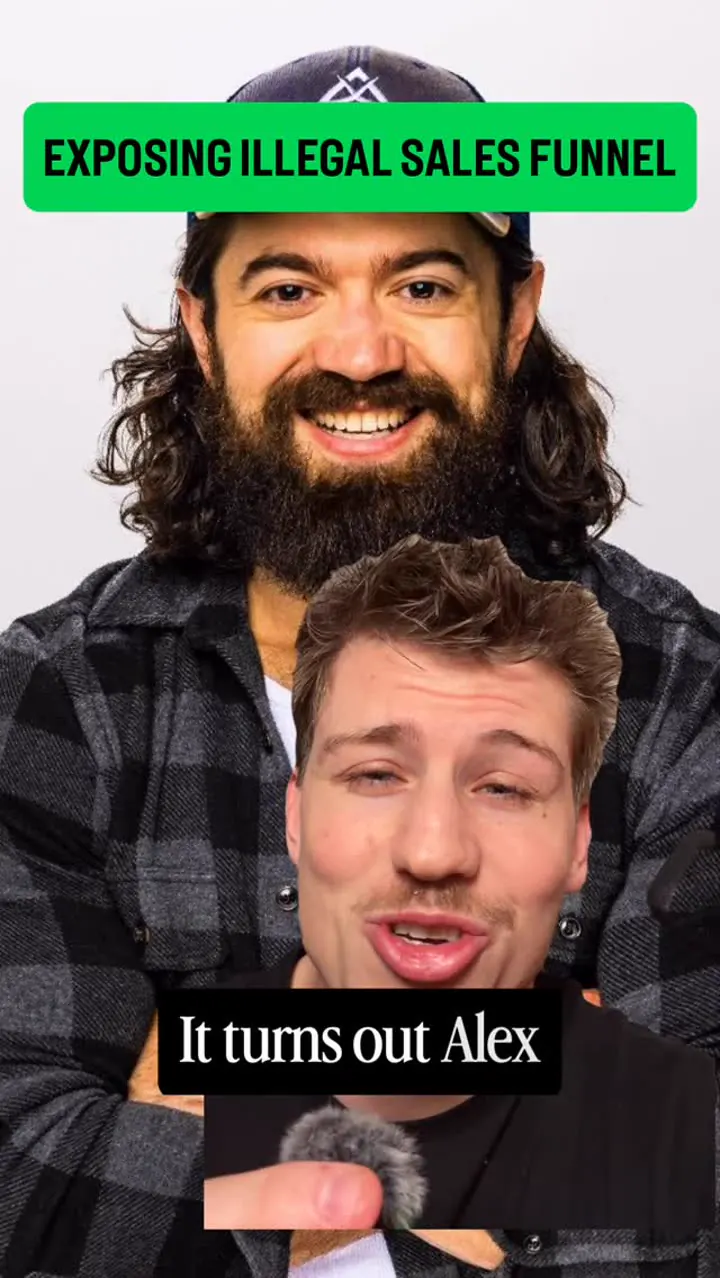
"Illegal sales funnel" hook on the Hormozi quiz teardown is clickbait; the lawsuit shown is a Hims & Hers...
- "Illegal sales funnel" hook on the Hormozi quiz teardown (
@kailodebiz) is clickbait; the lawsuit shown is a Hims & Hers securities case.
Unverified money claims everywhere: Rs 5,74,000 in 76 days, $500K in DMs, $100M+, eight-figure exit and...
- Unverified money claims everywhere: Rs 5,74,000 in 76 days (
@vyre.less), $500K in DMs (@highonsetting), $100M+ (@amirsyed), eight-figure exit and $50M (@samstoffel), $100,000 offers (@theguy).
Health claims in The Stack's ads (doctor on lifespan, study claims) are regulated in India (FSSAI, ASCI); copying...
- Health claims in The Stack's ads (doctor on lifespan, study claims) are regulated in India (FSSAI, ASCI); copying the format is fine, copying the claims is not.
@adsandcopy
The "refund" subscription framing is a discount labelled as a refund with a fake-feeling timer
- The "refund" subscription framing (
@wellcopymax) is a discount labelled as a refund with a fake-feeling timer.
How to apply this
If you sell products online (D2C, e-commerce)
- Place your category on the sophistication ladder. Fine jewellery, for example, is level 4-5. Show proof and guarantees (reviews, on-model photos, returns, care) as table stakes, and lead ads and pages with brand: your design identity, a signature tool or story, press. Avoid "luxury/exclusive/premium" filler; state one specific benefit per ad.
@dhananjay.scale@gentlerainman - Add a decoy: one high-end hero (a bespoke or high-karat statement piece, or a top "design your own" tier) priced well above the core range, shown beside bestsellers. It is also content.
@decoyreport - Use a paid first step for custom work: a design consult fee credited to the final piece, before quoting a bespoke commission.
@gentlerainman - Plant buyer criteria on product pages and in support replies, only where true: "Ask any jeweller: solid gold or plated? hallmarked? what happens if a link breaks?"
@amirsyed - Handle price objections in support: acknowledge, then ask what "cheaper" is being compared on (karat, plating, stone quality, finish).
@theryankeip - In supplier and manufacturer talks, use the long-term-partner positioning lines and ask "is it price, MOQ or timeline?" when told no.
@louischinasourcing8@joybaik.global - Do not use fake scarcity or countdowns. Real limits (made-to-order slots, limited runs) only.
@samkul773 - If you sell supplements or other trust-heavy goods, audit current ads against the ladder. If they lead with ingredients or "100% natural" (level 2), move to proof (customer counts, batch test reports) and a guarantee (money-back or replacement, easy COD), then build founder authority.
@dhananjay.scale - Offer architecture: 1-month pack, 3-month pack (target, pre-selected), and a 6-month or annual "VIP" pack as the decoy. Prepaid gets a flat 10% off.
@decoyreport@ecomtushar - Copy The Stack's formats, not their claims: native story screenshots of real customer messages, an "ask me a question" creative answering "why is yours better", a qualified expert post, a founder-led explainer. Keep claims within FSSAI/ASCI rules.
@adsandcopy - Use the "ask any brand for a third-party lab report / batch COA" insinuation line if you can share your own.
@amirsyed - Keep prices like Rs 999 / Rs 1,999 (standard in India) and test "get started" vs "buy now" on buttons.
@samkul773
If you sell a service (agency, freelance, consulting)
- Sell a paid audit or sprint (ads audit, creative sprint, brand teardown, conversion audit) as the first step, credited toward a retainer. Better than discounting for price-sensitive markets such as India.
@gentlerainman - Build a price page with three tiers plus an "application only" top tier as the decoy.
@decoyreport - Show prices in content to filter buyers.
@theguy - Set a minimum budget and ask it on the intake form; route small budgets to a fixed productised package. Use quiz-style routing by monthly ad spend.
@arshdeep_sohal@kailodebiz - On sales calls, split roles (one person as relationship lead, a second on scope, price floor and payment terms). Hand prospects evaluation questions ("ask every agency how they measure delivered ROAS vs platform ROAS and who edits the ads"). Handle "cheaper agency" with the "you probably can" sequence.
@joybaik.global@amirsyed@theryankeip - Use the market sophistication slide in pitches to justify brand and proof creative over discount ads.
@dhananjay.scale - Position one sharp promise ("half the time, twice the price" style productised offer) rather than a general service list.
@hormozi
If you are a creator or building a personal brand
- Pick one solved problem and repeat it (for example: a D2C operator using AI creative and site systems, with real numbers from your own stores).
@samstoffel - Formats to copy: silly-product whiteboard framework (
@dhananjay.scale), animated "trick behind what you buy" series (@decoyreport, 9.9M plays), before/after phrase pairs with a debate question (@louischinasourcing8), long story-led sales scripts that still hold attention (@theryankeip, 173s, 5.1M plays), price-discovery free beta for any playbook you package (@vyre.less).
The reels



New pricing lessons, first
When I find a reel worth acting on, you get the short version: what it says and what to do. Free, rare, one click to leave.
Rather have it done for you? Work with Tanish